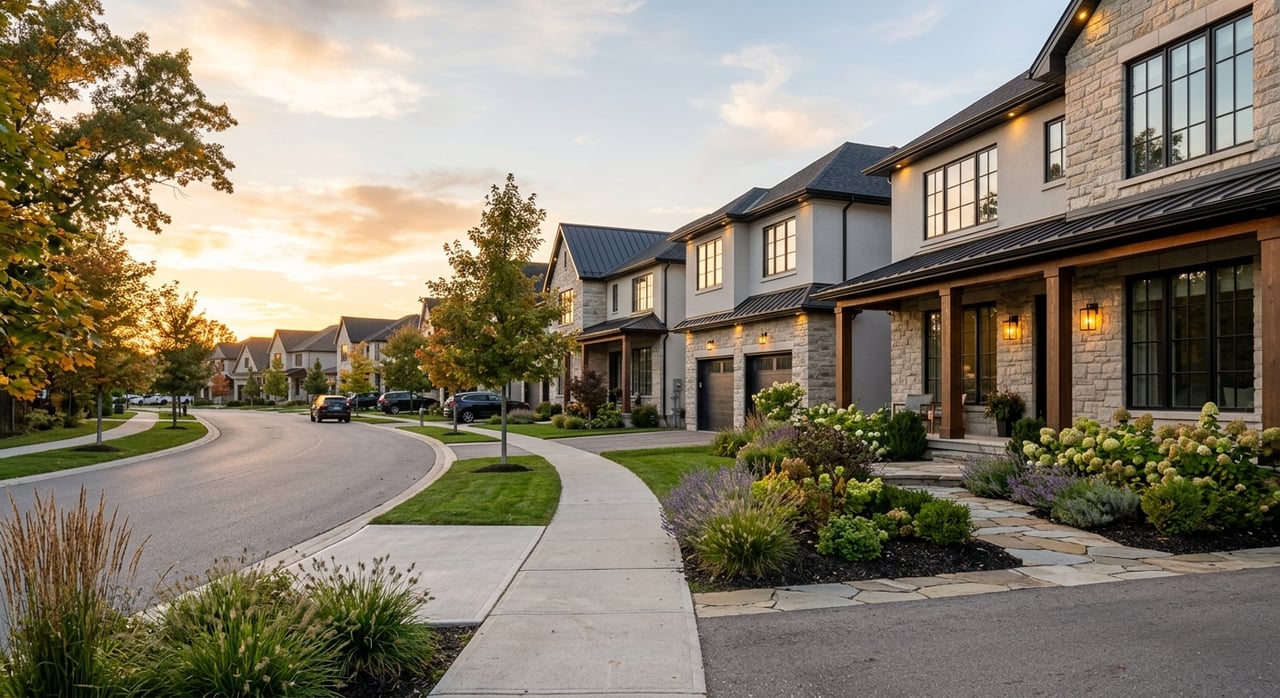
Are you trying to attract buyers who want more space than Fort Worth offers, but still want a practical connection to the city? In Aledo, that balance is a big part of the appeal. If you are positioning a subdivision for today’s urban-edge buyer, it helps to understand what the market values, what the city expects, and how those two forces shape a strong neighborhood story. Let’s dive in.
Why Aledo Appeals to Urban-Edge Buyers
Aledo sits in a sweet spot for buyers who want an exurban setting without feeling cut off from Fort Worth. Census data shows Aledo has 4,858 residents, a median household income of $163,231, and a highly educated population, with 57.2% of adults holding a bachelor’s degree or higher. That profile supports a market where buyers often place a premium on lot size, design quality, and long-term neighborhood appeal.
The wider Parker County story matters too. The county’s estimated 2024 population reached 179,707, with a median household income of $102,099 and a mean commute time of 32.4 minutes. In plain terms, commuting is part of life here, so many buyers are weighing access and daily convenience alongside privacy and space.
For many households, Aledo also stands out because of Aledo ISD’s footprint and visibility in the market. The district covers 130 square miles across Parker and Tarrant counties, and the Texas Education Agency lists Aledo ISD as accredited with a 2025 academic accountability rating of A. When buyers compare subdivisions, district boundaries and school access often become part of the decision-making process.
What the Market Is Saying Now
Aledo remains a premium submarket, but buyers have become more selective. In February 2026, the Greater Fort Worth Association of REALTORS reported a median price of $450,000 in Aledo, compared with $337,390 in Fort Worth and $463,750 in Parker County. That tells you Aledo continues to command attention, even as buyers compare value more carefully.
Inventory and timing also shape how you position a subdivision. GFWAR reported 4.2 months of inventory in Aledo and 84 average days on market in February 2026. That means buyers usually have options, and they are less likely to respond to generic messaging or a one-note pitch about being "close to Fort Worth."
Instead, your positioning should speak to discipline and discernment. Urban-edge buyers are often looking for a complete package: a well-planned neighborhood, a home that presents well from the street, and a setting that feels intentional rather than improvised.
Define the Urban-Edge Story Clearly
In Aledo, the strongest subdivision story is not simply bigger lots or suburban growth. It is a carefully managed lifestyle that blends room to breathe with a polished neighborhood environment. That message fits both the market data and the city’s development framework.
Aledo’s Unified Development Code supports a range of housing types, but it is clear about compatibility, privacy, utility access, and multimodal planning. The code includes an Estate district with 1-acre minimum lots, a Single-Family district with 7,000-square-foot minimum lots, a Brownstones district for smaller lots and attached forms, and a Multifamily district that allows higher intensity development. That variety means product type should match both location and buyer expectation.
For urban-edge buyers, the sweet spot is often a balanced plan. Many want privacy, thoughtful home design, and a neighborhood feel, but they do not necessarily want a fully urban format or a purely rural one. In practice, that makes phased lot mixes and clearly defined product categories especially important.
Match Lot Mix to Buyer Priorities
A one-size-fits-all subdivision plan is usually a weaker fit for Aledo. The city’s standards support larger-lot and conventional single-family product, while smaller-lot or attached housing works best where zoning or a planned development district allows it. That distinction matters if you want your marketing to feel credible from the start.
For example, a larger-lot section may appeal to buyers focused on privacy, outdoor living, and a more estate-like setting. A conventional single-family section may attract buyers who want a manageable homesite with a polished streetscape and neighborhood identity. If both are present, the transition between them should feel deliberate, not accidental.
This is where strategy matters. The most effective subdivision positioning in Aledo usually starts by defining exactly who each section is for and what kind of daily life it supports.
Prioritize Street Presence and Architecture
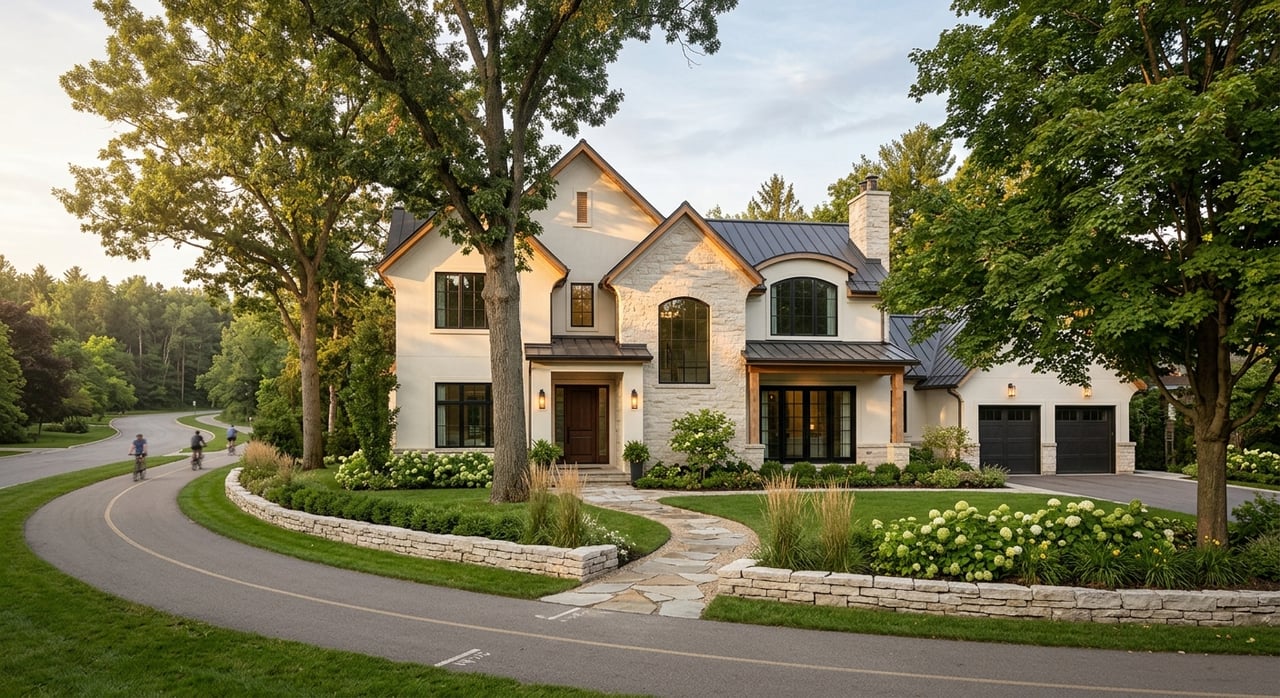
Aledo’s design standards make one thing very clear: homes should contribute to the street, not turn away from it. The city requires articulated facades, primary entries that face the primary street, a prominent entry feature such as a porch or stoop, and a minimum roof pitch of 4/12 unless the home uses a flat roof. That gives neighborhoods a more intentional and welcoming appearance.
Every lot must front on a public or private street or access easement, and setbacks are governed by zoning rather than platted building lines. For buyers, that often translates into a stronger sense of order and cohesion. For a subdivision’s identity, it means curb appeal is not a finishing touch. It is part of the core product.
If you are positioning homes for urban-edge buyers, emphasize architecture that feels grounded and street-facing. Buyers in this segment often respond to neighborhoods that feel composed, walkable in character, and visually consistent.
Make Edge Conditions a Selling Feature
Some of the most important details in Aledo happen at the edges of a subdivision. The city requires screening for single-family detached, two-family, and townhome lots that back or side to arterials or collectors. It also requires preliminary and final screening plans, landscaping plans, and installation before final acceptance.
That means boundary treatment is not just a technical approval item. It directly affects how the neighborhood feels when you drive in, walk the perimeter, or view homes near major roads. Strong edge design can help transform a potential objection into a selling point.
For urban-edge buyers, controlled edges signal planning and long-term care. Screening, landscape buffering, and a well-composed entry sequence all reinforce the idea that the neighborhood was designed, not merely assembled.
Use Open Space as Visible Value
Aledo’s code treats open space as part of neighborhood identity, not leftover land. Public open space should be readily accessible and, where practical, visible from the public realm. Neighborhood parks, plazas, and HOA or private parks must be at least 400 square feet and front a direct-access road.
That visibility matters for marketing. Buyers are more likely to value open space when they can actually see it, access it, and understand how it fits daily life. A park tucked behind houses has less impact than one that contributes to the streetscape and creates a recognizable focal point.
Even detention or retention ponds can contribute, but only under specific conditions. In Aledo, they may count toward open space if they are visible, accessible, and paired with amenities such as seating, public art, or a fountain, along with sidewalk and tree or planter requirements. That sets a higher standard for what counts as a neighborhood asset.
Treat Landscaping and Lighting as Brand Signals
Urban-edge buyers often notice the details that make a neighborhood feel settled and refined. In Aledo, those details are shaped by code. The city requires at least 5% of the area not covered by buildings or right-of-way to meet landscaping rules, along with at least two trees per lot in the front yard, using native or naturalized trees with a minimum 2-inch caliper.
Subdivision edges may also require HOA-maintained non-buildable landscape-edge lots, evergreen drought-tolerant screening trees from the city’s approved list, and HOA-maintained screening walls or fences. These are not minor details. They influence both first impressions and long-term upkeep.
Lighting rules reinforce the same idea. Aledo requires fully shielded fixtures, limits light spill, and prohibits uplighting and flashing lights. For buyers, that can support a calmer nighttime environment and a more polished streetscape.
Be Honest About HOA and Operating Standards
In private-street developments, Aledo requires a mandatory HOA, and the recorded plat, deeds, and HOA documents must note that some city services may not be provided on private streets. That makes governance and maintenance part of the buyer conversation from day one.
For the right buyer, clear HOA standards can be a plus. They often support appearance, consistency, and long-term neighborhood care. But the value comes from clarity, not vague promises.
If you are positioning a subdivision well, explain what the HOA maintains, how common areas are managed, and how private-street operations affect daily ownership. Urban-edge buyers tend to appreciate a neighborhood that is well run, but they also expect transparency.
Account for Access and Road Improvements
Transportation should be part of the subdivision story early, not late. TxDOT is implementing three projects to improve mobility on the I-20 and I-30 corridors between Aledo and west Fort Worth, including multimodal connectivity for cyclists and pedestrians. TxDOT also has a reconstruction project on FM 1187 in Aledo from Oak Street to IH-20.
These projects matter in two ways. In the near term, they can affect construction timing, buyer perception, and access routes. Over the longer term, they can strengthen connectivity between Aledo and Fort Worth, which is a key part of the urban-edge value proposition.
When you position a neighborhood, acknowledge both sides of that story. Buyers usually respond well to realistic messaging that balances current conditions with long-term access benefits.
Understand the Approval Landscape
Inside Aledo city limits, the Planning Department handles planning and development inquiries, and the city provides zoning and land-use maps, a 2026 development submittal schedule, and an updated Unified Development Code. The city also adopted the 2021 International Codes and the 2020 National Electrical Code, effective January 1, 2025. That means design and plan review need to align with current local standards.
Outside city limits, Parker County subdivision rules become especially important. The county requires Monday-noon platting submissions, drainage studies with plat packages, groundwater availability certification when groundwater is the source, and downstream drainage assessments for all new subdivisions. It may also require a water supply system for subdivisions of 21 or more lots when water availability is a concern.
Road right-of-way dedication, road signage standards, and erosion control measures in deed restrictions are also part of the county framework. For buyers, these details may stay behind the scenes. For subdivision positioning, though, they shape timeline, infrastructure confidence, and the credibility of the overall development story.
How to Position an Aledo Subdivision Well
If you want to connect with urban-edge buyers in Aledo, focus on the elements that support both lifestyle and long-term value. The message should feel thoughtful, specific, and grounded in how the neighborhood actually functions.
A strong positioning framework often includes:
- Access with perspective: practical Fort Worth connectivity, with honest communication about current and future road conditions
- Street-facing design: architecture and entries that create a composed neighborhood feel
- Visible open space: parks, greens, and amenity areas that buyers can see and use
- Managed edges: screening, landscape buffers, and entry design that improve first impressions
- Clear standards: HOA expectations, lighting controls, and maintenance plans that protect appearance over time
- Right-sized product: lot sizes and housing types that match actual buyer expectations in Aledo
In this market, buyers tend to reward neighborhoods that feel intentional. They are not just buying a home. They are buying confidence in the setting, the plan, and the day-to-day experience.
If you are evaluating how to market lots, a new phase, or a full subdivision in Aledo, a strategic approach can make the difference between broad exposure and the right exposure. Willoughby Agency brings senior-level guidance for land, development, custom-home, and residential positioning across Fort Worth and adjacent exurban markets.
FAQs
What makes Aledo attractive to urban-edge buyers?
- Aledo offers a mix of exurban space, access to Fort Worth, premium neighborhood appeal, and strong demand drivers such as Aledo ISD and larger-lot residential options.
How does Aledo ISD affect subdivision demand in Aledo?
- Aledo ISD is a major market anchor because it covers a large service area and holds Texas Education Agency accredited status with a 2025 accountability rating of A.
What price point is the Aledo housing market showing?
- In February 2026, GFWAR reported a median home price of $450,000 in Aledo, which reflects its position as a premium submarket in the Fort Worth area.
What neighborhood design features matter in Aledo subdivisions?
- Aledo standards emphasize street-facing homes, articulated facades, prominent entries, visible open space, landscaping, screening, and controlled lighting.
What should buyers know about HOA rules in Aledo subdivisions?
- In private-street developments, a mandatory HOA is required, and ownership documents must note that some city services may not be provided on private streets.
How do road projects affect Aledo subdivision positioning?
- TxDOT projects on the I-20, I-30, and FM 1187 corridors can affect near-term access and construction timing while also supporting longer-term connectivity to west Fort Worth.