Trying to choose between a loft or condo in Downtown Fort Worth? The answer is not as simple as picking the one that sounds more stylish. If you want the right fit for your daily life, budget, and long-term plans, you need to understand how these homes differ in both design and ownership. This guide will help you sort through the key tradeoffs so you can shop downtown with more clarity and confidence. Let’s dive in.
Loft Vs Condo In Downtown Fort Worth
In Downtown Fort Worth, loft usually refers to the look and feel of a home, while condo refers to the ownership structure.
Under Texas law, a condominium means you own your individual unit and also share ownership of the common elements with other owners in the building. The owners' association is organized as a corporation, and membership belongs to the unit owners. That means a home can feel like a loft and still be legally owned as a condo.
This distinction matters because two homes with similar square footage can offer very different experiences. One may have exposed brick, high ceilings, and an open layout, while another may offer a more traditional high-rise setup with concierge service and structured amenities. The label alone does not tell the whole story.
Why Downtown Fort Worth Has Both
Downtown Fort Worth is designed as a walkable, mixed-use urban center. City design standards support pedestrian-friendly streets, connectivity, adaptive reuse, and preservation, which helps explain why both historic conversions and newer high-rise buildings are part of the market.
That historic fabric is a big part of downtown's appeal. The district includes more than 100 identified historic buildings, so loft-style residences often show up in converted properties where original architectural details remain visible.
You can see that range in the current for-sale inventory tracked by Downtown Fort Worth, Inc. Buildings listed include Houston Place Lofts, The Neil P. at Burnett Park, Omni Residences, Texas and Pacific Lofts, The Tower, Trinity Terrace, The Versailles, Villa de Leon, and Westview Condominiums.
What A Downtown Loft Often Feels Like
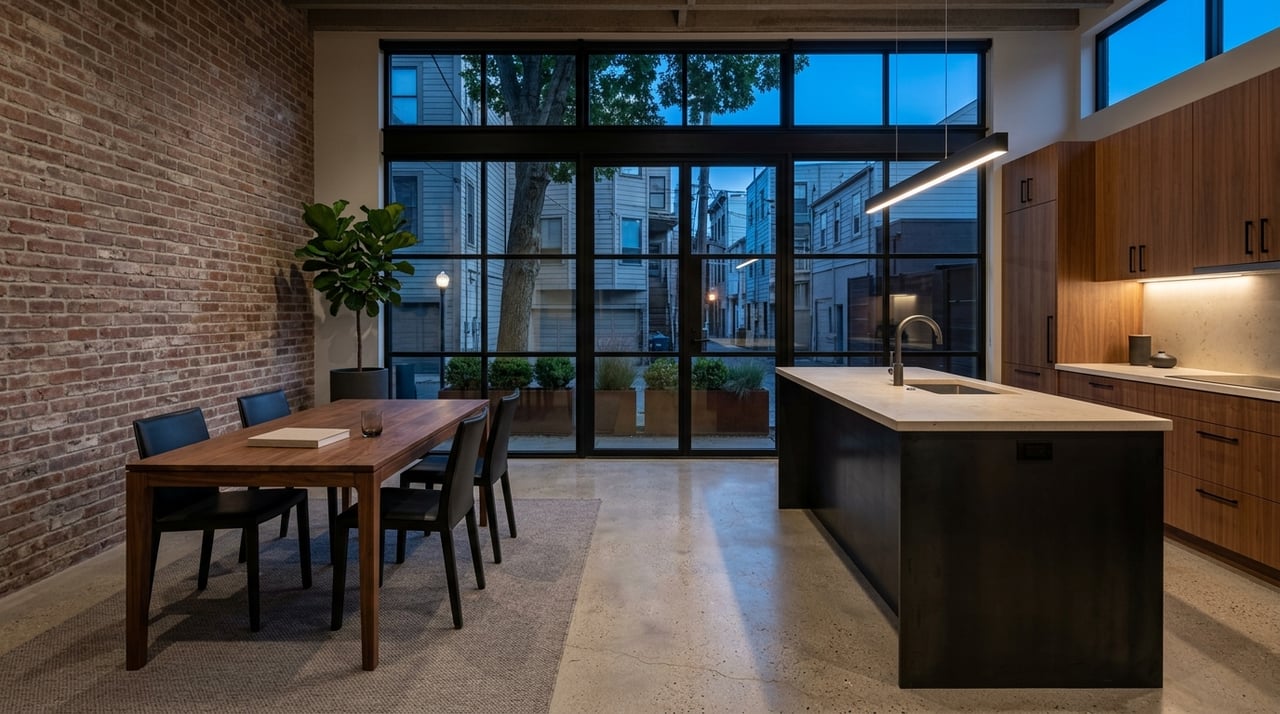
In Downtown Fort Worth, loft-style homes often emphasize character and openness. You may see high ceilings, large industrial-style windows, exposed brick, or visible ductwork, especially in buildings tied to historic conversions.
Texas and Pacific Lofts is one of the clearest local examples. Downtown Fort Worth, Inc. describes it as 228 luxury condominiums spread across the historic T&P Passenger Terminal, the Corporate Office building, and a modern mid-rise addition.
That blend of old and new is part of what draws buyers to loft living. If you value architectural texture and a more open interior feel, a loft-style unit may stand out more than a conventional floorplan.
What A Downtown Condo Often Feels Like
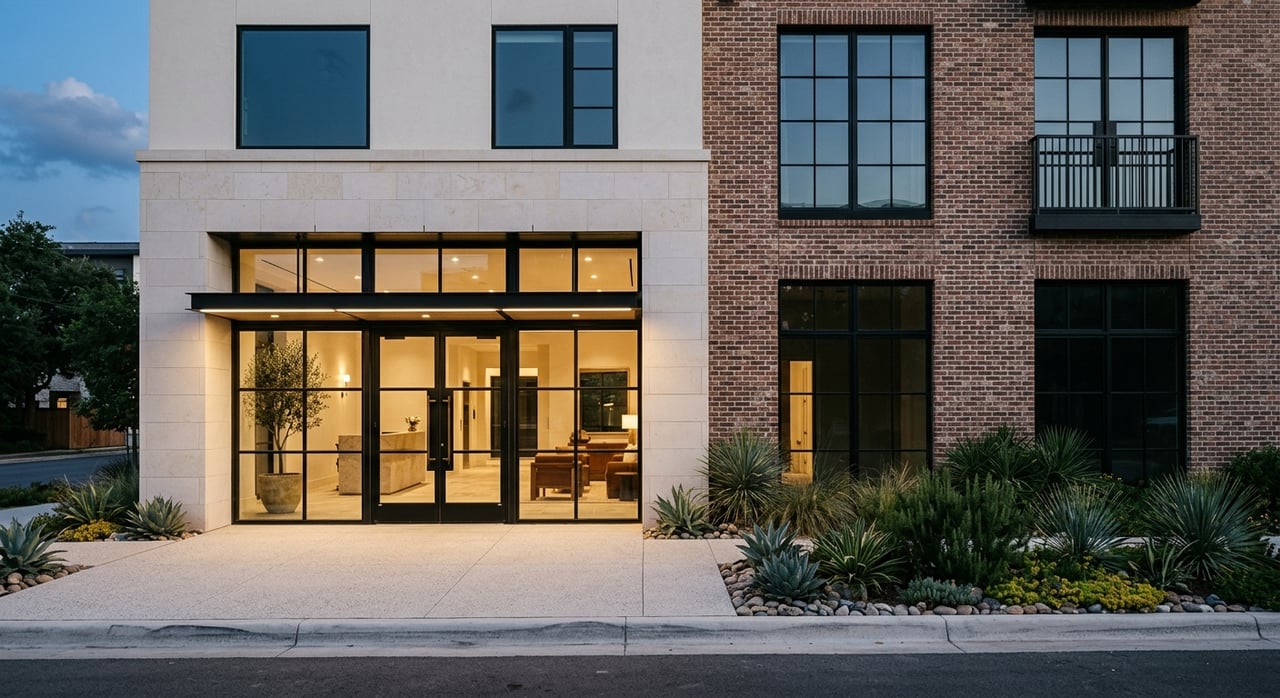
Condo living in Downtown Fort Worth can also include high-rise and full-service buildings. These homes may feel more structured, with building access, amenities, and service features playing a bigger role in the ownership experience.
The Tower is a strong example of that side of the market. Downtown Fort Worth, Inc. describes it as high-rise living in the heart of downtown, rising 450 feet and 36 stories, with 24-hour concierge service.
Omni Residences is another current downtown option, described by Downtown Fort Worth, Inc. as offering top-of-the-line amenities and designer touches. The Neil P. at Burnett Park adds a different flavor, with its 1921 landmark status and historic character.
Ownership Matters More Than Style
When you buy a downtown condo, your rights and obligations extend beyond the unit itself. Under Texas law, condo ownership includes your separate unit plus a shared interest in common elements.
This affects how costs are handled. Texas law requires condo associations to base assessments on at least an annual budget and to make assessments at least annually.
It also affects risk. If damage to a unit or common area is caused by an owner, guest, or invitee, Texas law allows that cost to be charged back to the responsible owner if insurance does not cover the full loss.
Parking Can Change The Decision
For many downtown buyers, parking becomes one of the most important practical issues. Two homes may both be described as lofts or condos, but the parking setup can be very different.
Texas condo declarations can define garages or carports under individual ownership and exclusive control, and they can also define limited common elements. In plain terms, parking may be deeded, assigned, leased, or not included at all.
That is especially important in Downtown Fort Worth, where design standards favor structured or underground parking and aim to keep parking from dominating the street. If you drive daily, host guests often, or want easy elevator access from your car, parking should be near the top of your checklist.
Transit And Walkability In Downtown Fort Worth
Downtown Fort Worth is built for a multimodal lifestyle. The city's standards support walking, driving, biking, and transit, so your block and building location can shape your day-to-day experience just as much as the unit itself.
T&P Station is the downtown commuter rail terminal for both Trinity Railway Express and TEXRail to DFW Airport. That makes the south end of downtown especially appealing if you want direct rail access.
Texas and Pacific Lofts sits near that transit node, which is one reason buyers often consider it when they want a more connected urban routine. If convenience is a priority, think beyond the unit and consider how often you will actually use the surrounding infrastructure.
Sound, Privacy, And Daily Comfort
Lifestyle tradeoffs often come down to what your home feels like at the end of a long day. Open loft-style interiors can look dramatic and inviting, but they may offer less separation between living areas.
That can affect how sound moves through the space. Based on local building descriptions, lofts with open layouts and harder surfaces may feel more urban, while tower-style buildings with concierge service and more controlled access may feel more contained.
Neither option is automatically better. The right choice depends on whether you value character and openness more than separation and structure.
Views Can Carry A Premium
In Downtown Fort Worth, views are highly building- and floor-specific. A higher floor can change the experience dramatically, especially in buildings positioned for skyline exposure.
The Tower rises 36 stories, and Downtown Fort Worth, Inc. notes that some units at Texas and Pacific Lofts offer skyline views from higher floors. City design standards also state that building heights and orientation should protect and enhance views to and from downtown.
If views matter to you, do not rely on the building name or marketing language alone. Ask about the exact floor, direction, and nearby buildings that may shape what you actually see.
Don't Forget PID 1 Costs
Downtown ownership costs can include more than your mortgage and HOA dues. Buyers should also understand whether a property sits inside PID 1.
Downtown Fort Worth's current special assessment for PID 1 is 12.5 cents per $100 of property value. That assessment helps fund services such as maintenance, landscaping, security enhancements, transportation solutions, hospitality, and planning.
This charge is separate from building HOA dues. If you are comparing monthly or annual ownership costs, make sure you account for both.
How To Think About Resale
In this part of Fort Worth, resale often depends more on the building and unit specifics than on whether a property is called a loft or a condo. Building condition, layout, dues stability, and parking rights can all shape future demand.
A loft-style unit may appeal strongly to buyers who want historic finishes, character, and an open feel. A tower-style condo may attract buyers who prioritize convenience, concierge service, and a more standardized building experience.
Neither profile guarantees stronger resale. The better question is how well the unit meets the needs of the buyer pool likely to shop that specific building.
Smart Questions To Ask Before You Buy
If you want to compare downtown options with more confidence, focus on practical details instead of labels.
Ask questions like these:
- How many parking spaces are included?
- Are the spaces deeded, assigned, or leased?
- What do the HOA budget and reserves look like?
- Have there been any recent or planned special assessments?
- Is the building located inside PID 1?
- Do pet and rental rules fit your plans?
- Does the floorplan have enough walls, storage, and separation for long-term use?
- How easy is elevator access from parking to the unit?
These questions often reveal more than the listing headline. They also help you compare homes in a more disciplined, realistic way.
If you are weighing a loft or condo in Downtown Fort Worth, a clear building-by-building review can save you time and help you avoid surprises. For strategic, senior-level guidance tailored to your goals, connect with Willoughby Agency.
FAQs
What is the difference between a loft and a condo in Downtown Fort Worth?
- A loft usually describes the unit's design and feel, while a condo describes the legal ownership structure under Texas law.
What should buyers review before purchasing a Downtown Fort Worth condo?
- Buyers should review the HOA budget, reserves, assessment history, parking rights, pet and rental rules, storage, elevator access, and whether the property is in PID 1.
Can a Downtown Fort Worth condo include deeded parking?
- Yes, sometimes. Texas law allows condo declarations to describe garages or carports under individual ownership and exclusive control, and it can also define limited common elements.
Is Downtown Fort Worth loft living louder than condo living?
- It can be, but the answer depends more on the building, floor, windows, and proximity to activity than on the label alone.
Which Downtown Fort Worth buildings are known for loft or condo living?
- Current downtown for-sale buildings include Houston Place Lofts, The Neil P. at Burnett Park, Omni Residences, Texas and Pacific Lofts, The Tower, Trinity Terrace, The Versailles, Villa de Leon, and Westview Condominiums.