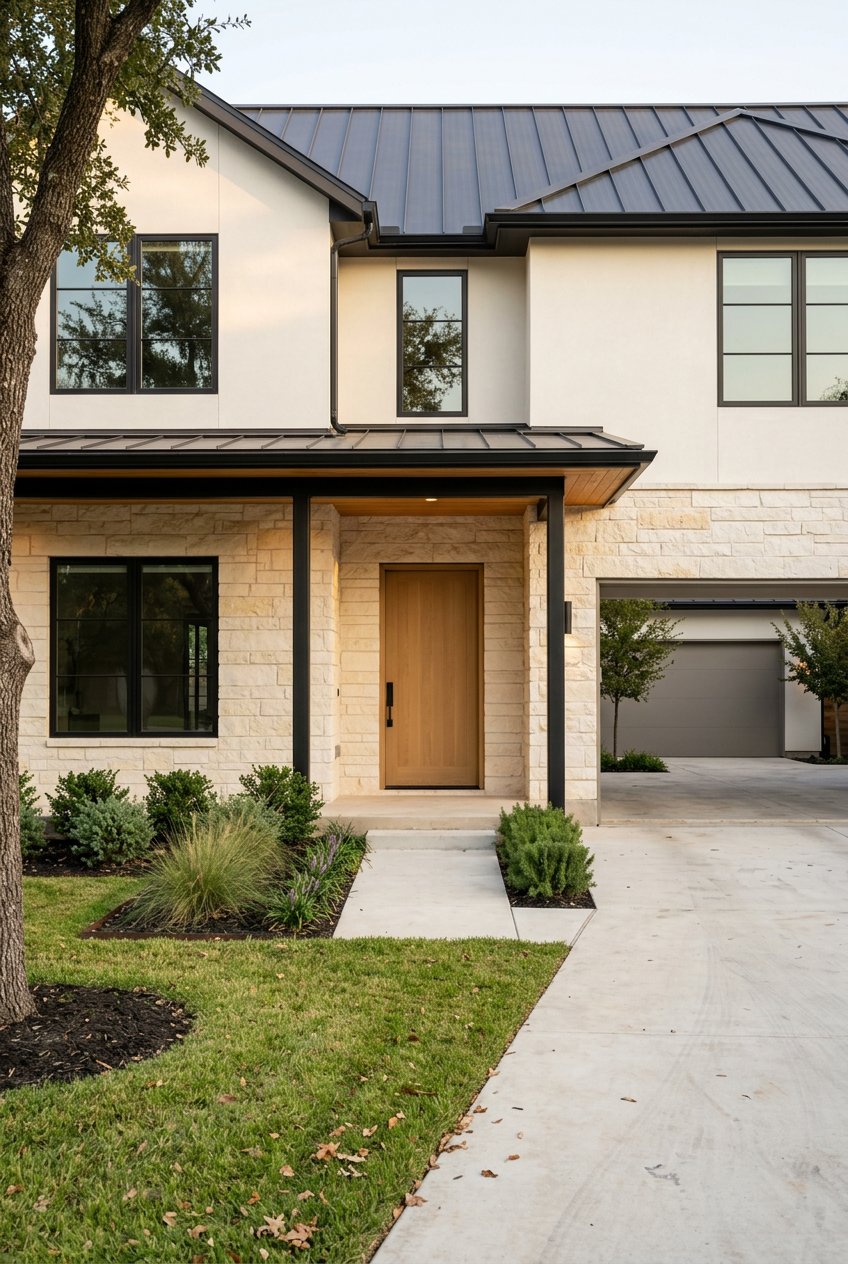
Looking for a clear read on luxury new construction in Fort Worth right now? You are not alone. With the broader market settling into balance and new high‑end homes rising from Aledo to inner‑ring neighborhoods, it can be hard to separate noise from signal. In this guide, you will see where builders are active, how pricing and absorption differ by submarket, and which design features are setting the pace in 2026. Let’s dive in.
Market snapshot for context
Greater Fort Worth has shifted from the ultra‑tight conditions of 2021–2023 to a more balanced environment. Recent local data shows Tarrant County’s median near about $336,000 and Fort Worth’s median near about $318,000 in late 2025, with many subareas showing roughly 3 to 4 months of inventory. These are area‑level medians and do not describe the top of the market. You should expect the luxury tier, typically the top 5% of prices, to behave differently than county medians, with more selective buyers and longer decision windows. According to recent reporting, luxury pricing nationally has held modest gains, while Fort Worth’s luxury tier saw little growth or small declines in some late‑2025 reads, a sign that presentation and pricing discipline matter now. You can review the latest local context in the Greater Fort Worth Association of REALTORS® market snapshot.
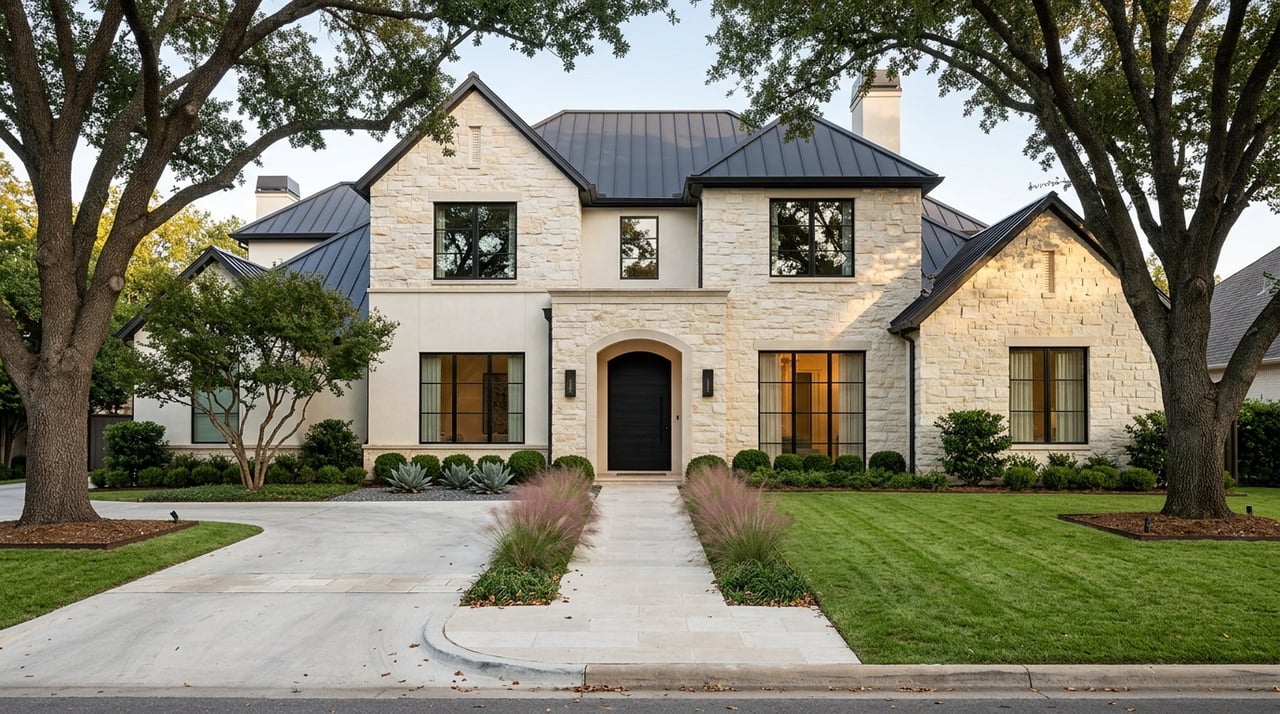
Where new luxury is being built
Aledo and Walsh Ranch
West of Fort Worth, Aledo’s Walsh Ranch corridor is the region’s most visible hub for new luxury. Multi‑phase master‑planned villages offer a mix of production luxury, semi‑custom, and full custom estate lots, supported by community‑scale amenities like parks and trails. For a broad overview of the setting and amenity framework, see this Walsh Ranch guide. Large‑scale planning and predictable permitting attracted national and regional builders when the 7,200‑acre Walsh development opened, as covered by Texas A&M TRERC.
What to expect on price and product: entry points for larger production homes often start in the mid to high $500,000s and run through the $900,000s, while custom estate homes on larger or gated lots often exceed $1 million and can reach $2 million or more depending on builder and lot size. Aledo carried roughly 5.9 months of inventory in a recent late‑2025 snapshot and saw active listings rise, consistent with ongoing phase releases. That elevated inventory signals slower absorption for newer releases compared to scarce infill, but it can also translate to more choice and occasional builder incentives.
Mira Vista
Southwest Fort Worth’s Mira Vista is a gated, golf‑course community with a long history of custom estates. The neighborhood is largely built‑out, which means new construction typically happens as one‑off custom projects, infill, or teardown‑and‑rebuilds under architectural controls. For a neighborhood overview, visit this Mira Vista profile. Pricing for the broader neighborhood varies by lot size and home type, from garden homes to larger estates, which is why reported medians can differ across vendors.
New builds here lean bespoke. Expect longer timelines, careful design review, and premium per‑lot economics when the right site becomes available. The tradeoff for that extra sensitivity is enduring appeal and privacy within a controlled, country‑club setting.
Tanglewood and inner‑ring infill
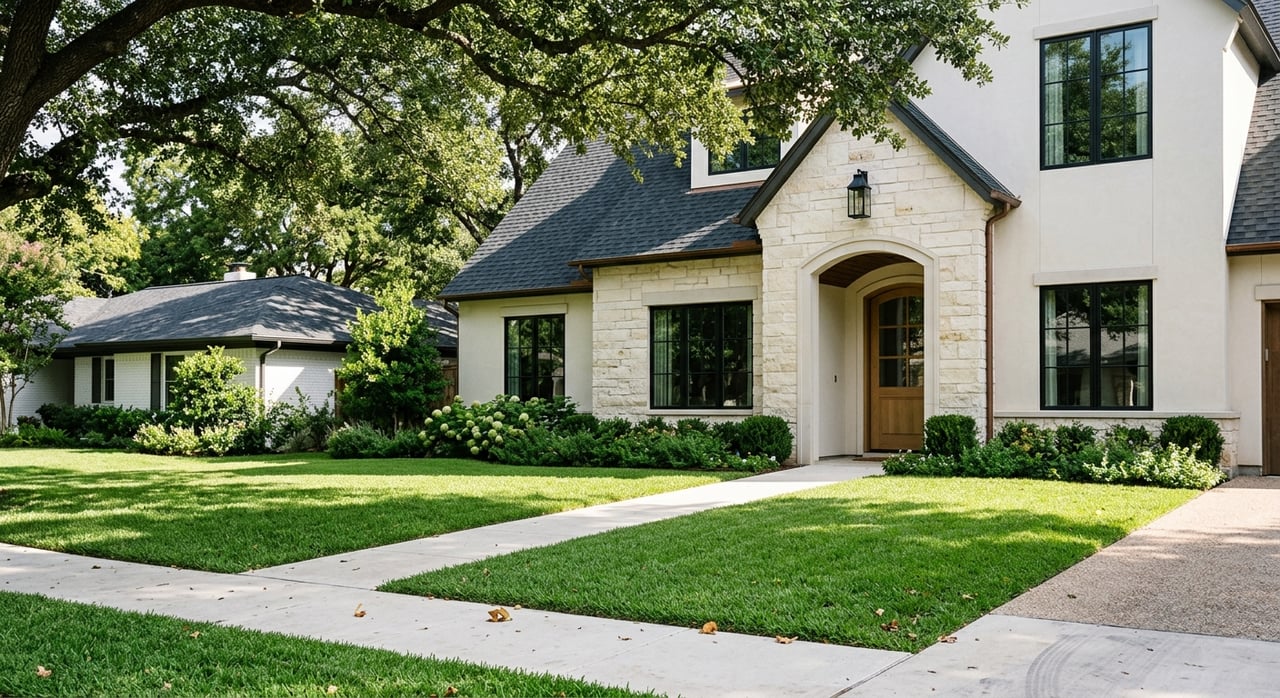
Closer to the Cultural District and TCU, Tanglewood offers mature streets and central convenience. New luxury product usually arrives as infill or teardown‑and‑rebuilds rather than subdivisions, given the neighborhood’s established fabric. For basic neighborhood context, explore the Tanglewood site, and for a plain‑English look at the teardown dynamic that shapes many DFW infill markets, see this teardown trend explainer.
In Tanglewood and nearby pockets, lot supply is tight and approvals can be more nuanced. The upside is a strong location premium and short access to central Fort Worth assets, which supports values when the architecture, scale, and finish package align with today’s preferences.
What today’s luxury buyers expect
Floorplans that live smarter
- Main‑level primary suites or true single‑story living options, even in two‑story homes.
- Open kitchen‑great‑room layouts centered on daily living, with minimal wasted circulation space.
- Flexible work zones, such as pocket offices or dual offices near the main living core.
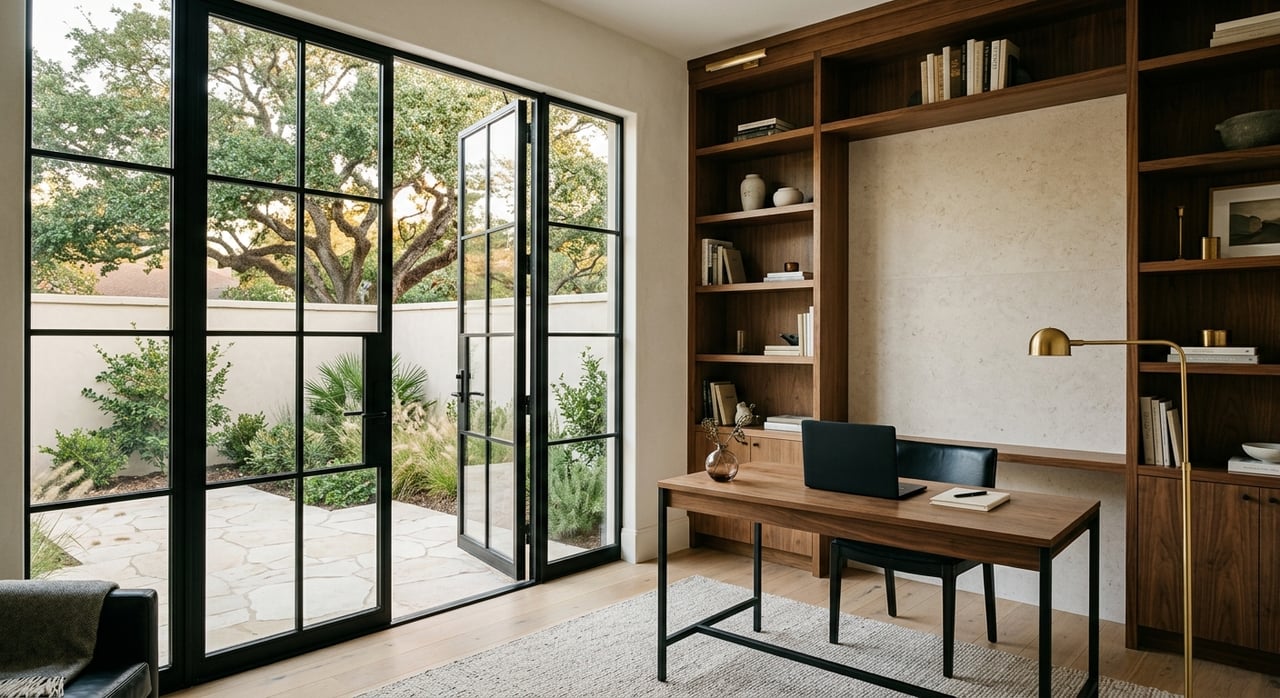
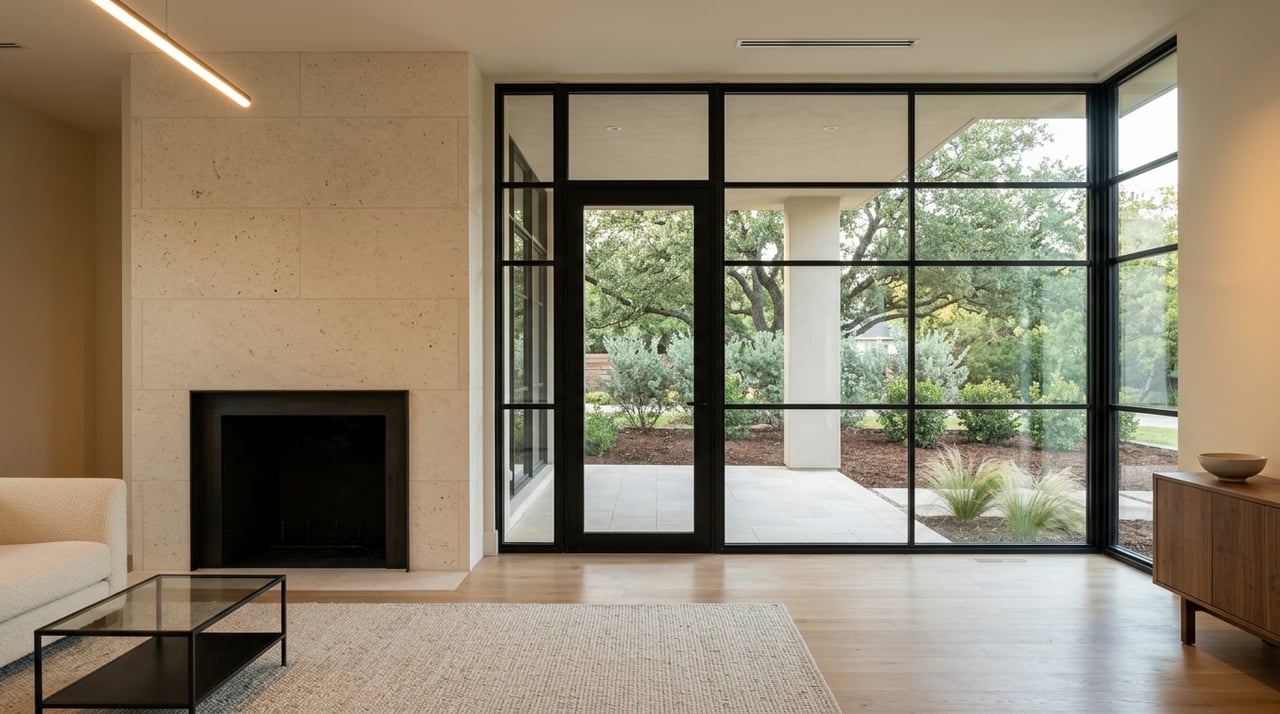
- Strong indoor‑to‑outdoor continuity with large sliders and covered rooms that extend living space.
These architectural shifts are showing up across 2025–2026 planbooks, as noted by the House Plan Company’s design trends report.
Finishes and systems that perform
- Natural, durable materials like wide‑plank wood and honed or bookmatched stone.
- Large islands, walk‑in service pantries, and integrated appliance walls.
- Spa‑scale primary baths and thoughtful privacy zoning within open plans.
- Smart lighting, whole‑home automation, EV‑ready garages, and backup power options.
Design pros also highlight circadian lighting and better outdoor living as top asks in 2025, themes echoed in national coverage of premium homes. For more context, see Forbes’ roundup of pro insights on 2025 home design.
New builds vs. updated legacy estates
Balanced inventory means presentation and timing drive results. In many Fort Worth subareas, well‑priced, turnkey homes still move faster by current standards, according to the local market snapshot. New builds win on modern floorplans, fresh systems, and move‑in certainty. In neighborhoods with limited supply of renovated legacy estates, that can justify premiums.
In built‑out enclaves, an updated legacy estate can compete head‑to‑head if it matches current finish expectations and leverages mature landscaping and larger lots. Regional luxury commentary in 2025 noted that truly turnkey legacy estates continued to earn premiums where high‑end new supply was constrained. For a readable take on this dynamic, see this North Texas market insight.
Absorption and timing signals
- Core Fort Worth and broader Tarrant County have settled near 3 to 4 months of inventory, with days on market stretching modestly. Well‑presented homes still find buyers on a normal timeline by late‑2025 standards.
- Aledo and Walsh Ranch have carried higher months of inventory, roughly 5 to 6 in late‑2025 snapshots, due to active lot and phase releases. Builders sometimes balance this with incentives, rate buydowns, or extended closing windows to move select specs.
- At the luxury tier, buyers are more selective and decision cycles trend longer than the middle market. New luxury listings that are priced to today’s comparables and deliver a complete finish package have a measurable edge in this environment.
A buyer’s playbook for 2026
- Clarify must‑have features. Prioritize floorplan, outdoor living, systems, and commute patterns before you shop. It will help you weigh new builds against updated estates quickly.
- Choose the right submarket. If you want amenities, choice, and builder incentives, focus on Aledo and Walsh Ranch. If you want a built‑out gated setting, Mira Vista’s custom infill can be worth the wait. If you need central access, look to Tanglewood or nearby infill pockets.
- Verify current phase details. In master‑planned areas, confirm today’s inventory, incentives, and timeline with your agent and builder sales desk. Conditions can shift month to month as new sections open.
- Underwrite the lot. Study orientation, setback, drainage, and adjacency. In infill zones, understand local approvals and design review early to avoid surprises.
- Compare total cost of ownership. New systems can reduce near‑term maintenance, while mature landscapes and larger lots can drive value in legacy estates. Run the math on utilities, insurance, and likely improvements.
- Bring senior‑level representation. A boutique, advisory‑first team can help you weigh incentives, builder contracts, warranties, and resale positioning so you protect value long term.
Notes for small developers and custom builders
- Pick your lane. Master‑planned phases offer predictable permitting and amenity support but require patience on sell‑through. Infill and teardown plays in Mira Vista, Tanglewood, or similar pockets can deliver higher per‑lot returns but demand more local process management and design sensitivity. The Walsh corridor’s master‑plan context is outlined in this overview.
- Right‑size the product. Emphasize main‑level living, indoor‑outdoor flow, and durable natural finishes to align with current buyer priorities. The 2025 design shifts offer a good checklist.
- Plan for approvals. In infill zones, assess architectural controls, tree preservation, stormwater, and neighborhood feedback early. This DFW teardown overview highlights the mechanics you will navigate.
- Build in incentives. In master‑plan settings, pro formas should anticipate rate buydowns or credits during higher‑inventory windows to keep absorption on target.
What this means for you
If you want the newest floorplans, integrated tech, and a clean delivery, Aledo and Walsh Ranch offer scale, choice, and amenities. If you value a gated, established enclave with custom options, Mira Vista’s one‑off builds and replacements can be compelling. If proximity to central Fort Worth is your north star, Tanglewood and adjacent infill pockets reward careful lot selection and design. Across all three, turnkey presentation, modern systems, and indoor‑outdoor flow are the common denominators that earn attention and support resale.
If you are weighing a new build versus an updated estate, or mapping a small development in one of these corridors, we would be glad to help you model the options and move with confidence. Schedule a Private Consultation with the Willoughby Agency to get a tailored plan.
FAQs
What defines “luxury” in Fort Worth new construction?
- In practice, the luxury tier sits around the top 5% of local prices. In current submarkets, new‑build entry points often start in the mid to high $500,000s and rise into seven figures for custom estates, depending on lot, builder, and location.
Is 2026 a good time to buy a new luxury home in Fort Worth?
- With inventory near balance in many subareas and higher months of supply in active master‑planned phases, buyers can find more choice and sometimes incentives. Review the latest local context in the GFWAR market snapshot and have your agent verify current phase details.
Where are gated luxury options with some new construction potential?
- Mira Vista is the most prominent gated golf‑course enclave, with new activity limited to custom infill and replacements, outlined in this Mira Vista profile. Larger‑scale new luxury options concentrate west in Aledo and Walsh Ranch, as shown in this Walsh overview.
What incentives do builders offer in master‑planned communities?
- During higher‑inventory windows, builders may offer rate buydowns, closing‑cost credits, or flexible delivery timing to keep absorption on track. These change frequently, so have your agent confirm current programs with each builder sales office.
Which features add the most resale appeal in Fort Worth luxury homes?
- Prioritize main‑level suites, strong indoor‑outdoor flow, energy‑efficient systems, EV‑ready garages, and durable natural finishes. These align with 2025 design trends highlighted by the House Plan Company and Forbes.