If you want a Fort Worth lifestyle that blends museum access, strong dining options, and low-maintenance living, the Cultural District deserves a close look. This pocket of west Fort Worth offers a rare mix of everyday convenience and destination-level amenities, which is why it continues to attract buyers who value both lifestyle and flexibility. Whether you are searching for a primary home, a lock-and-leave townhome, or an investment-minded purchase, understanding how this micro-market works can help you move with confidence. Let’s dive in.
Why the Cultural District stands out
The Cultural District is one of Fort Worth’s most recognizable lifestyle centers. The area is anchored by major institutions including the Modern Art Museum of Fort Worth, Kimbell Art Museum, Amon Carter Museum of American Art, Fort Worth Museum of Science and History, and the National Cowgirl Museum and Hall of Fame.
That concentration of arts and cultural destinations gives the district a distinct identity. It also creates a daily rhythm that feels different from a purely residential neighborhood, with steady activity from visitors, workers, and residents who want amenities close at hand.
The location adds to the appeal. The district sits just minutes from downtown Fort Worth and near Dickies Arena and the Will Rogers Memorial Center campus, which brings year-round events and strong local visibility.
Art and lifestyle go hand in hand
For many buyers, the biggest draw is how easy it is to build a lifestyle around the area’s institutions. You are not choosing between convenience and culture here. You can enjoy both in a compact part of the city that supports a more connected day-to-day routine.
The neighborhood is also relatively walkable for an urban Fort Worth setting. With a reported Walk Score of 72, the district fits many buyers who want the ability to dine out, explore nearby destinations, and spend less time on car-dependent errands.
That walkable, amenity-rich setup often appeals to lock-and-leave buyers. If you travel often, split time between cities, or simply prefer a lower-maintenance home base, the Cultural District offers a product mix that can align well with that goal.
Dining near the Cultural District
Dining is a major part of the district’s appeal. West 7th links downtown and the Cultural District and remains one of Fort Worth’s most active food and entertainment corridors, giving residents a wide mix of casual meals, coffee stops, and dinner options nearby.
Nearby dining examples include Montgomery Street Café, Taco Heads, Café Modern, Don Artemio, Blue Sushi Sake Grill, and Righteous Foods. That range matters because it gives you options for everyday dining as well as places that fit a more polished evening out.
For buyers comparing Fort Worth submarkets, this kind of dining access can shape how a home feels beyond its square footage. In the Cultural District, the surrounding experience is a real part of the value proposition.
Townhomes and condos shape the market
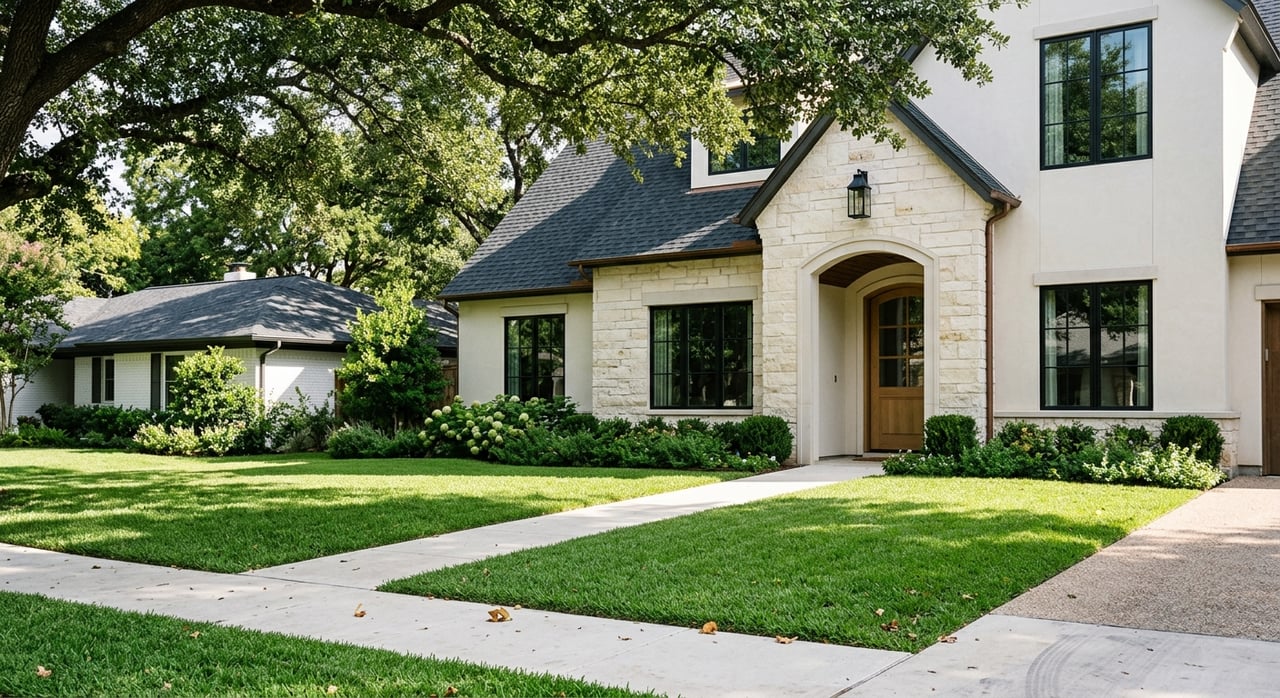
Housing in the Cultural District tends to be more limited than in larger Fort Worth neighborhoods. That smaller inventory pool can make the market feel more selective, especially if you are looking for updated finishes, private outdoor space, or attached garage parking.
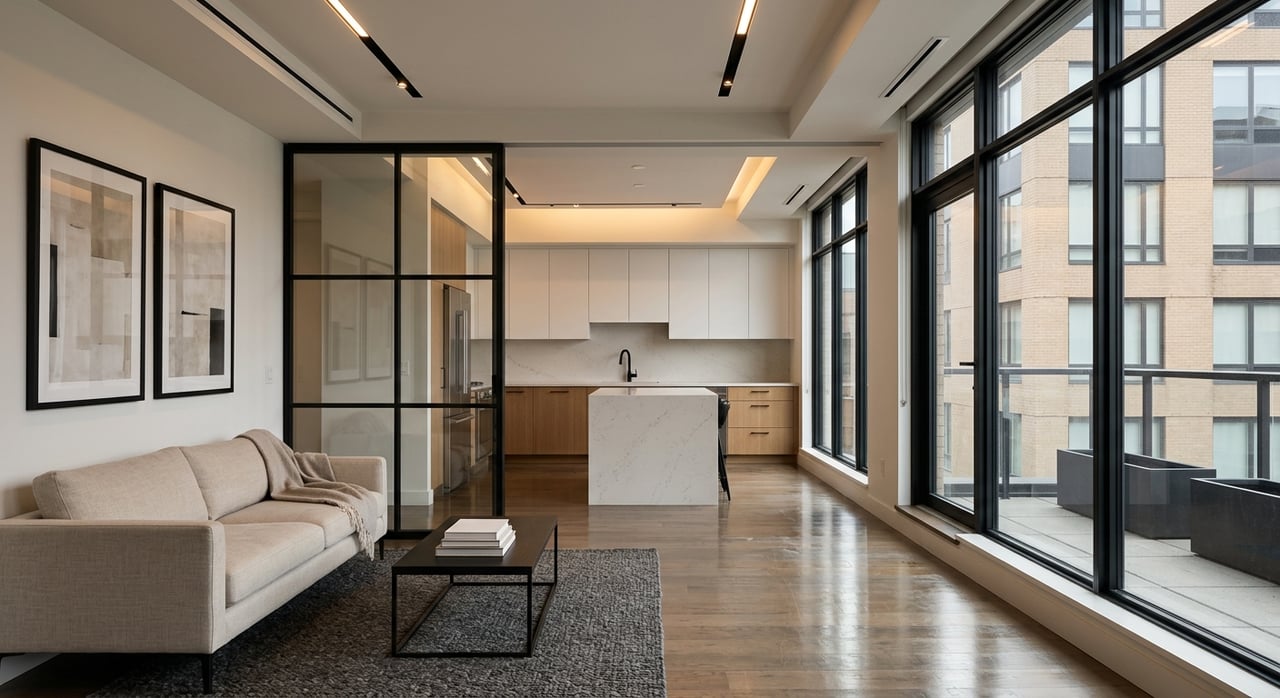
Current condo inventory in the district has clustered around 2600 W 7th St, with active listings ranging from about $259,000 to $1.05 million. That is a wide pricing spread for a small micro-market, and it shows how much product can vary by size, finish level, and building characteristics.
The broader 76107 ZIP code gives a fuller picture of nearby townhome options. There are 21 townhouses for sale at a median listing price of about $560,000, with current examples ranging from roughly $436,000 to $999,734.
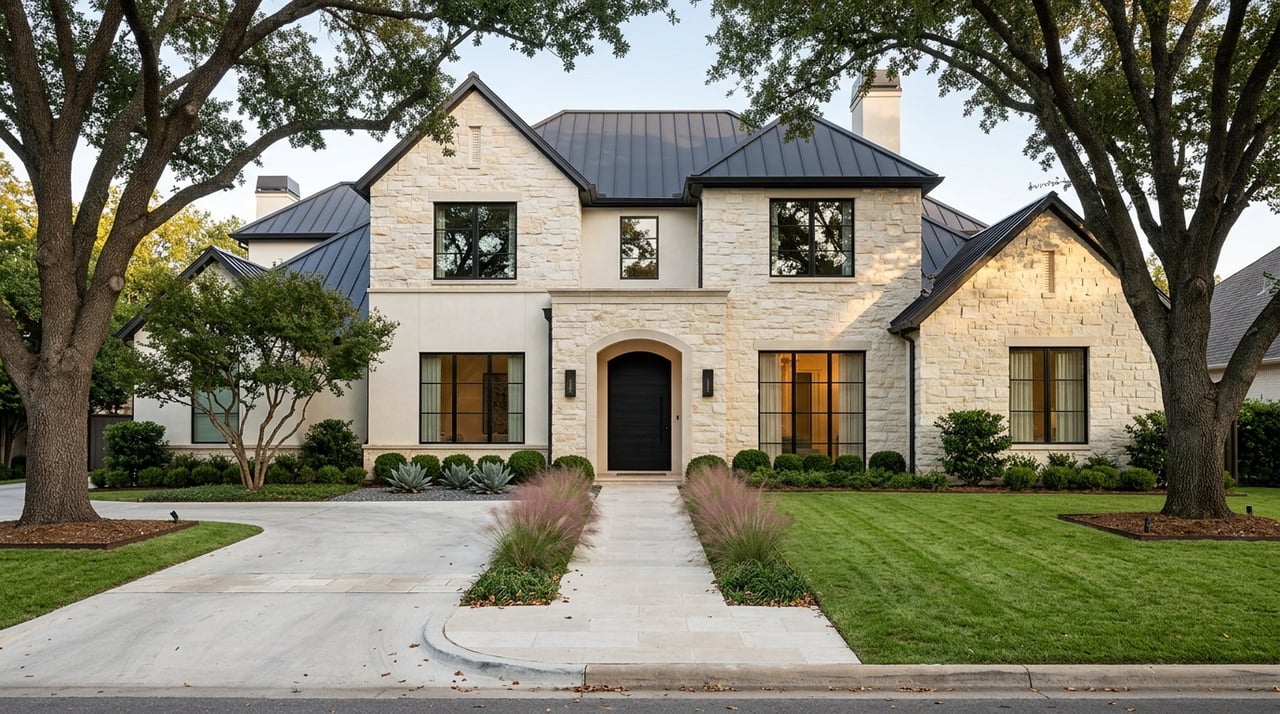
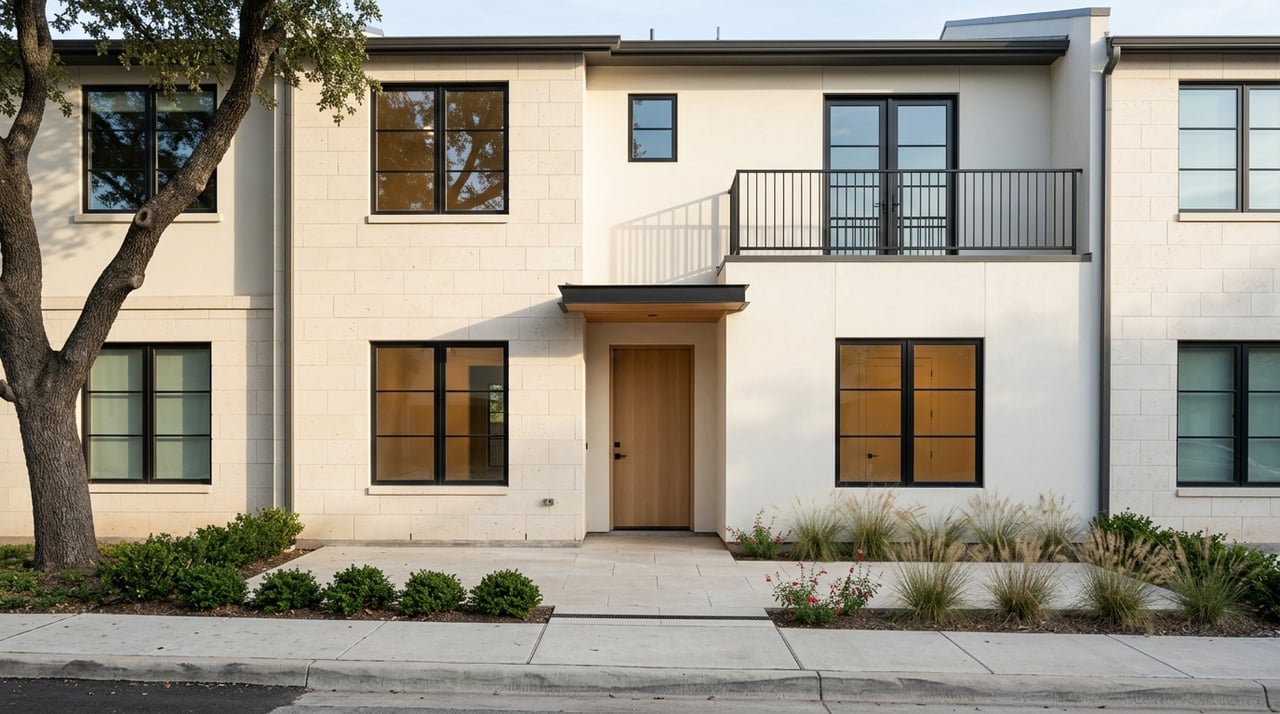
Many of these townhomes emphasize features that match today’s buyer preferences, including private gated entries, balconies, attached garages, rooftop decks, and low-maintenance layouts. For buyers who want a more turnkey ownership experience, these details can be a major advantage.
What pricing data really tells you
The latest neighborhood sales data should be read carefully because the sample size is small. In March 2026, the Cultural District posted a median sale price of $336,000 and a median sale price per square foot of $193, with homes selling about 5.9 percent under list and averaging 68 days on market.
Those numbers are useful, but they come from only three sales in that month. In a thin micro-market, a few transactions can shift the averages quickly, so it is better to view these figures as a snapshot rather than a full trend line.
That is especially important if you are comparing a condo in one building to a newer townhome nearby. Product type, finishes, HOA structure, and exact location can have a large impact on value in this part of Fort Worth.
Why buyers like the lock-and-leave model
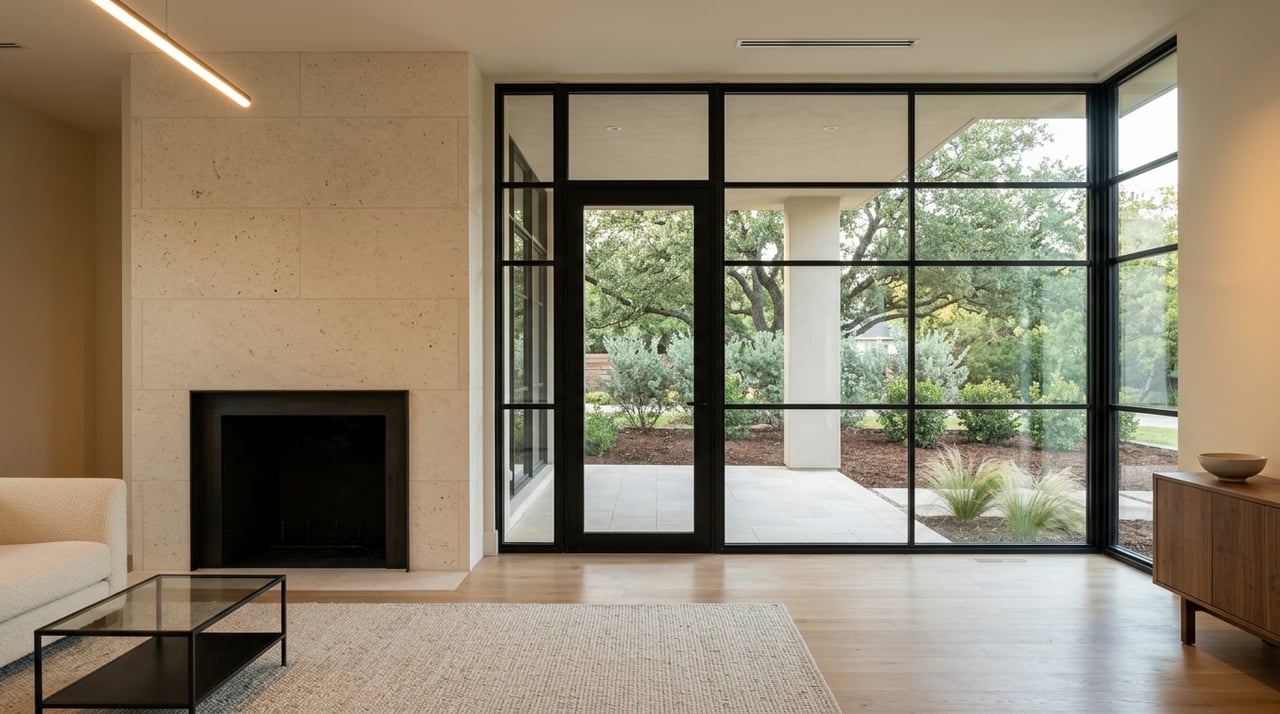
The Cultural District is well suited for buyers who want a home that supports flexibility. A condo or townhome here can offer lower day-to-day exterior maintenance, convenient access to major destinations, and a simpler footprint than a traditional single-family home.
That appeals to several buyer profiles. You may be looking for a primary home with less upkeep, a second home for time in Fort Worth, or a residence that keeps you close to downtown business, cultural venues, and event centers.
The local inventory reflects that preference. Many active and furnished listings highlight amenities such as pools, gated access, patios, and similar low-maintenance features that support a more streamlined lifestyle.
Rental demand and investor considerations
From an investment standpoint, the Cultural District has several clear demand drivers. The area benefits from proximity to downtown, nearby hospitals, major event venues, and a built-in stream of visitors tied to arts institutions and entertainment activity.
The likely tenant pool includes medical professionals, downtown employees, relocating executives, event-related visitors, and furnished-lease occupants. That demand profile is an inference based on nearby employment centers, healthcare presence, and the district’s event traffic.
Healthcare is an important part of the local picture. Baylor Scott & White All Saints Medical Center is near downtown Fort Worth with 538 licensed beds, and Texas Health Fort Worth operates as a Level I trauma center at 1301 Pennsylvania Ave.
Event traffic also matters. Will Rogers Memorial Center attracts more than 2 million visitors annually, and Dickies Arena hosts concerts, sporting events, family shows, community events, and rodeo performances connected to the Fort Worth Stock Show.
What rental pricing looks like
Rental pricing in the area is not one-size-fits-all. Apartments in the broader district average about $1,111, with one-bedroom units around $1,111 and two-bedroom units around $1,320.
At the same time, higher-end condo rentals operate in a different tier. Active condo rentals have shown one-bedroom pricing around $2,330 to $2,550, while two-bedroom units have ranged from about $2,525 to $4,791.
That split is important if you are evaluating a purchase as an income-producing property. Basic apartment comps may not tell the full story for a luxury condo or townhome with stronger finishes, better building amenities, or furnished appeal.
Ownership costs need a closer look
In this submarket, carrying costs can shape your decision just as much as the purchase price. One current condo listing reflects a monthly HOA fee of $713, which is a meaningful line item before repairs, vacancy, insurance, and other ownership costs are added.
For owner-occupants, that may still make sense if the dues support convenience and building amenities you value. For investors, it means underwriting should be disciplined and property-specific.
This is one reason the Cultural District rewards a more strategic buying process. Two homes with similar asking prices can perform very differently once dues, finish level, rent potential, and resale positioning are factored in.
Fort Worth rules to know
If you are thinking about rental use, local rules matter. In Fort Worth, stays of 1 to 29 days are considered short-term rentals, and those uses are allowed only in mixed-use and most form-based, commercial, or industrial zoning districts, not in residential districts.
Legal short-term rentals must register and pay hotel occupancy tax through the city’s designated system. If your plan could shift over time from long-term rental to short-term lodging, it is important to verify how the property is zoned before you buy.
For longer-term rentals, Fort Worth’s rental registration rules also deserve attention. Registration is voluntary for one- and two-family rentals with no violations, but it is mandatory for one- and two-family rentals with fire-safety or public-health or sanitation code violations, and out-of-state owners must designate a local agent for service and emergencies.
Texas also does not operate a normal citywide rent-control regime. In practical terms, pricing here is largely market driven, which makes local supply, demand, and property quality especially important.
Is the Cultural District right for you?
If you want a Fort Worth address where art, dining, and convenience meet, the Cultural District offers a compelling option. It is especially attractive if you value a low-maintenance home, nearby entertainment, and a setting that feels active without being overly sprawling.
It is also a market where nuance matters. Inventory is thin, pricing can move quickly, and product differences from one building or block to the next can have an outsized effect on both lifestyle and long-term value.
That is where local guidance becomes especially useful. In a micro-market like this, the best opportunities are often found by looking beyond headline pricing and focusing on fit, carrying costs, and the specific role the property will play in your life or portfolio.
If you are considering a move, a purchase, or an investment in Fort Worth’s Cultural District, Willoughby Agency offers the senior-level market guidance and tailored advisory approach that this highly specific submarket deserves.
FAQs
What makes the Cultural District in Fort Worth appealing to homebuyers?
- The Cultural District appeals to many buyers because it combines major museums, nearby dining, access to downtown, and a relatively walkable setting with low-maintenance condo and townhome options.
What is the current price range for condos in the Cultural District?
- Active condo listings in the Cultural District have recently ranged from about $259,000 to $1.05 million, showing a wide spread based on building, size, and finish level.
What do townhomes cost near Fort Worth’s Cultural District?
- In the broader 76107 ZIP code, townhouses for sale have shown a median listing price of about $560,000, with active options ranging from roughly $436,000 to $999,734.
Is the Cultural District a good fit for lock-and-leave living?
- Yes. Many condos and townhomes in and around the district offer low-maintenance layouts and amenities such as gated access, attached garages, balconies, patios, or rooftop decks that suit a lock-and-leave lifestyle.
What should investors know about Cultural District rental demand?
- Investors should note that the area benefits from demand tied to downtown employment, nearby hospitals, arts venues, Will Rogers Memorial Center, and Dickies Arena, but property-specific costs like HOA dues can materially affect returns.
Are short-term rentals allowed in Fort Worth’s Cultural District?
- Short-term rentals in Fort Worth are defined as stays of 1 to 29 days and are allowed only in certain mixed-use, form-based, commercial, or industrial zoning districts, so zoning should be verified before purchase.