If you picture luxury in Fort Worth as one look, one price point, or one kind of neighborhood, you will miss what really drives value here. In this market, luxury often comes down to setting, access, and daily lifestyle just as much as square footage or finish level. If you are buying, selling, or simply trying to understand Fort Worth’s high-end neighborhoods, this guide will help you see what truly defines them. Let’s dive in.
Luxury in Fort Worth Starts With Setting
Fort Worth is not one uniform housing market. The city is often understood through distinct districts such as the Cultural District, Downtown and Sundance Square, West 7th, Clearfork, Camp Bowie, and TCU/Zoo, each with its own character and rhythm.
That matters because luxury here is highly local. A premium property in Fort Worth may draw value from tree-covered streets, river corridor access, rolling hills, greenbelt connections, or proximity to museums and events. In other words, the setting often shapes the value story as much as the home itself.
The city’s historic preservation planning also shows why luxury housing in Fort Worth feels so varied. Many neighborhoods developed over several decades, so architectural styles often reflect multiple eras instead of one uniform look.
Architectural Character Varies by Area
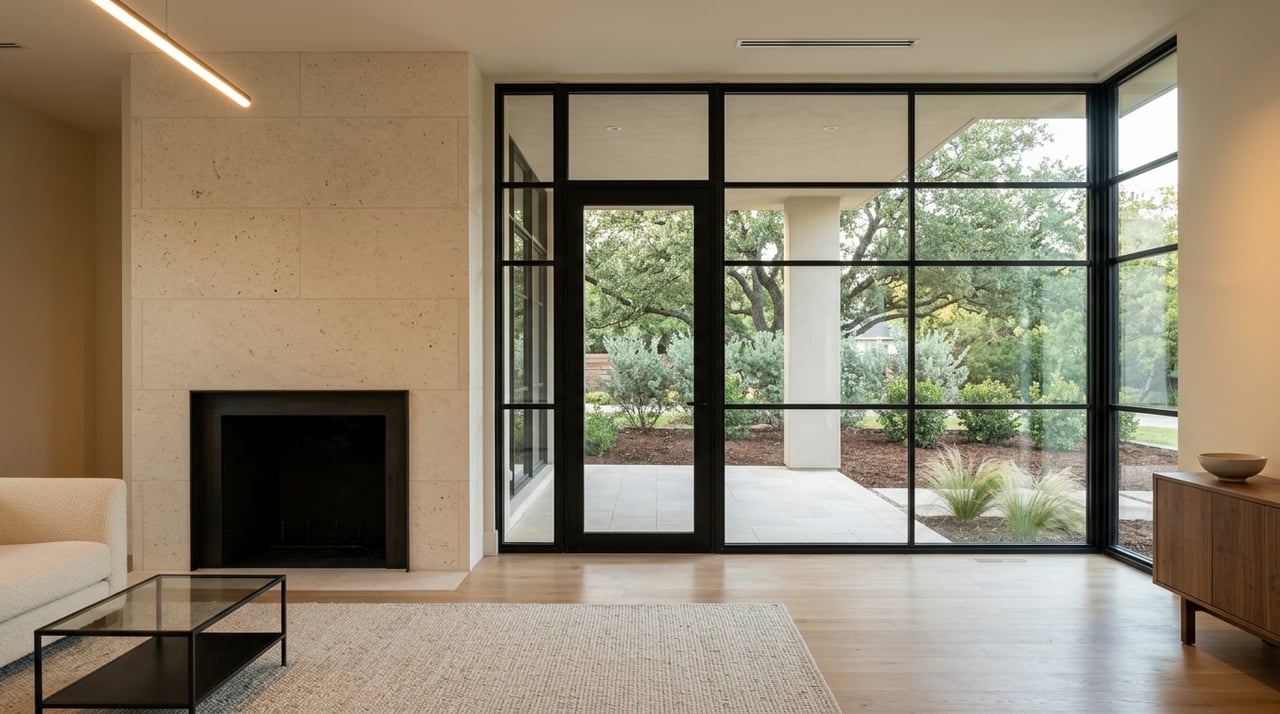
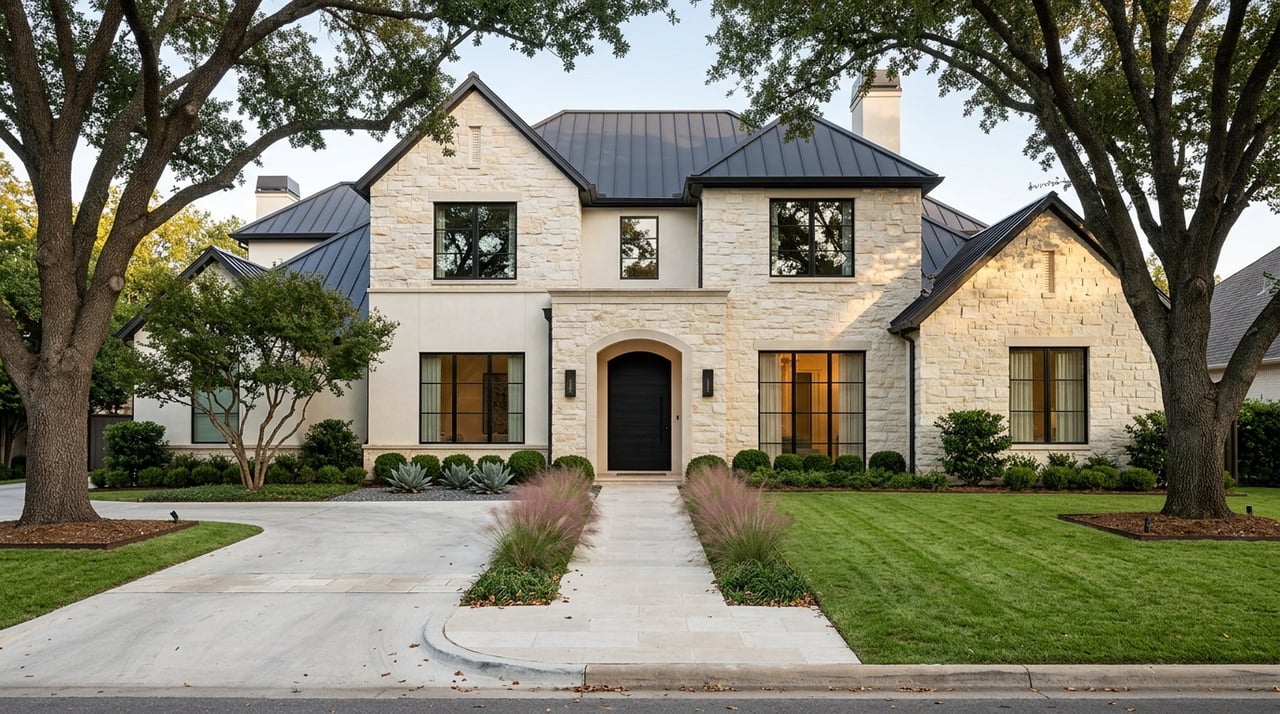
In Fort Worth, luxury does not always mean the same exterior, floor plan, or ownership style. Depending on the neighborhood, it may look like a gated custom estate, a ranch-style home under mature trees, a historic loft, or a modern high-rise residence.
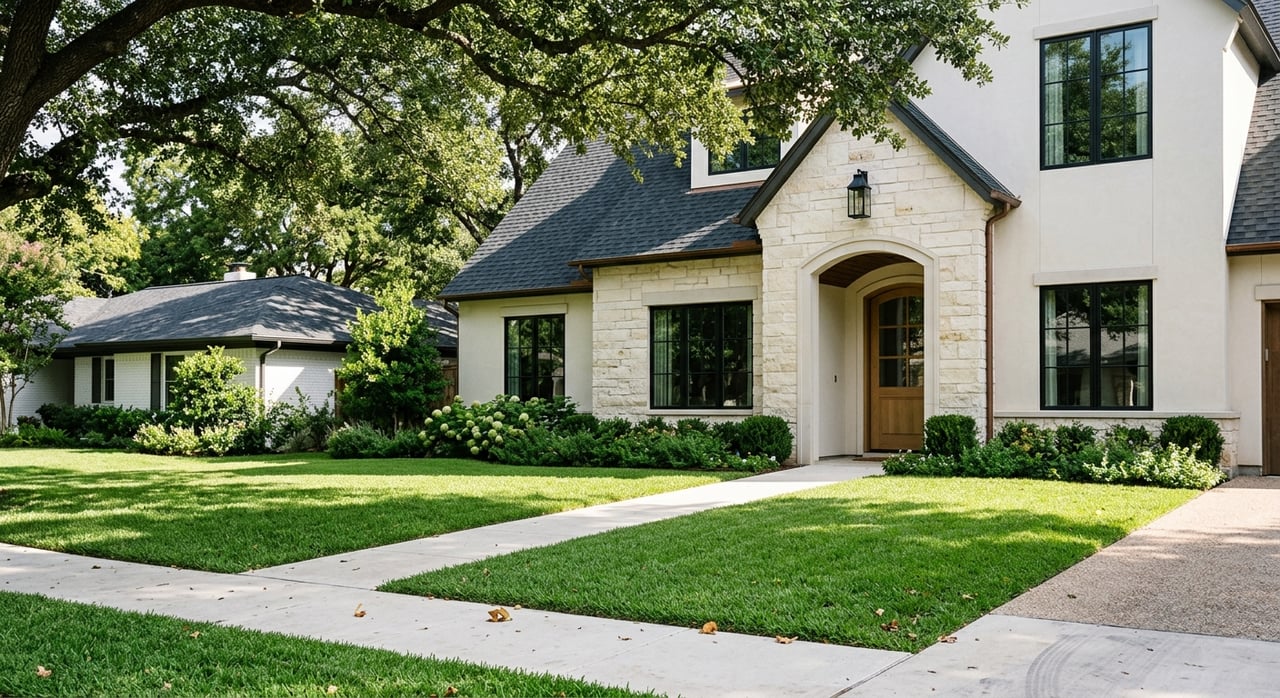
The city’s preservation plan notes that many more affluent historic homes used classicism and revival styles, including Mediterranean, Tudor Revival, and Spanish Colonial Revival. Later neighborhoods tend to reflect the era in which they were built, which helps explain why one luxury area can feel traditional while another feels more modern.
For buyers and sellers, this is an important point. In Fort Worth, a home’s value is often tied not only to its design, but also to how well that design fits the neighborhood’s established identity.
Mira Vista: Privacy and Club Living
Luxury Through Gated Amenities
Mira Vista is one of the clearest examples of a private-club luxury neighborhood in Fort Worth. It is described as a 24-hour gated golf course community built around scenic terrain and a championship course within a 700-acre development.
The lifestyle here is centered on privacy, amenities, and landform. Golf, tennis, pickleball, swimming, fitness, dining, and social programming all contribute to the neighborhood’s appeal.
For many buyers, Mira Vista represents a specific kind of luxury: a structured, amenity-rich setting with a strong sense of separation from the surrounding city. The draw is not urban walkability. It is privacy, community infrastructure, and a highly curated residential environment.
Tanglewood and Overton Park: Trees, Trails, and Established Character
Luxury Through Green Space
Tanglewood and nearby Overton Park reflect a different Fort Worth luxury pattern. Instead of a gated, resort-style feel, these areas are defined by established residential streets, mature trees, and access to outdoor amenities.
Overton Park creates a 48.68-acre linear greenbelt linking Tanglewood and Overton Park to Foster Park. The park includes trails, tennis courts, playgrounds, and other public amenities, which reinforces the area’s everyday livability.
Local descriptions of Tanglewood often point to tree-filled streets, ranch-style homes, and pedestrian and bike paths. In practical terms, the luxury cue here is less about exclusivity at an entry gate and more about shade, stability, and connection to trails and parks.
Cultural District: Arts, Architecture, and Open Space
Luxury Through Proximity
The Cultural District offers a culture-forward version of luxury. Located a few miles west of downtown, it brings together major institutions such as the Amon Carter Museum of American Art, Kimbell Art Museum, Modern Art Museum of Fort Worth, Fort Worth Museum of Science and History, National Cowgirl Museum and Hall of Fame, Will Rogers Memorial Complex, Dickies Arena, Casa Mañana, and the Fort Worth Community Arts Center.
The Fort Worth Botanic Garden adds another defining element. At 120 acres in the heart of the district, it strengthens the area’s park-like setting and gives the neighborhood a major green-space anchor.
Here, luxury often means access. Buyers may place a premium on living near architecture, museums, performances, and major civic destinations rather than on having the largest lot or the most private setting.
Downtown Fort Worth: Walkability and Lock-and-Leave Appeal
Luxury Without the Yard
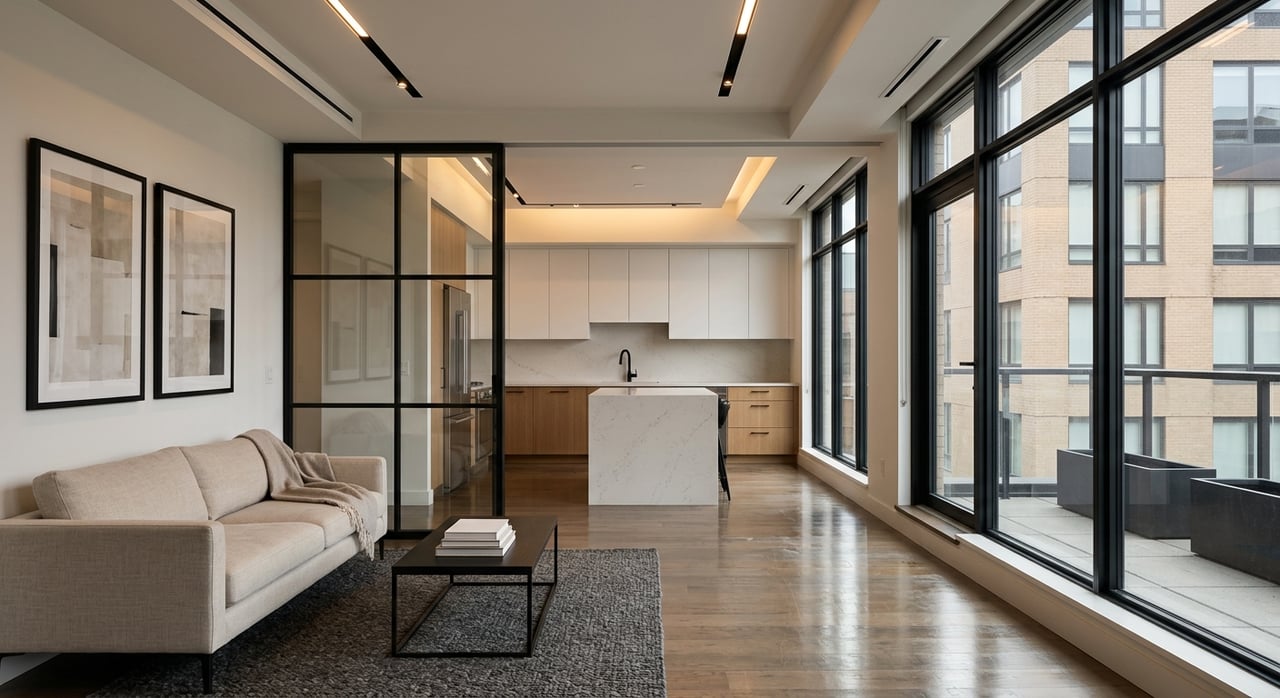
Downtown Fort Worth offers a different kind of high-end living. The residential mix includes modern high-rise apartments and historic lofts, creating options for buyers who want an urban lifestyle rather than a traditional single-family setting.
Sundance Square Plaza reinforces that identity as a place to dine, shop, and gather outdoors in the center of historic downtown. For some buyers, that convenience is the luxury feature that matters most.
This is where Fort Worth shows that premium value does not always depend on lot size. In downtown, luxury is often tied to walkability, views, building amenities, and a lock-and-leave ownership style.
Westover Hills as a Luxury Benchmark
Westover Hills is useful as a point of comparison because it highlights the large-lot end of the luxury market. The town describes itself as a quiet community of luxury homes with large landscaped lots on peaceful, tree-lined streets.
Its local standards also emphasize preserving spacious lots, large trees, and conservative architecture. That makes Westover Hills a strong contrast to downtown’s vertical living and to neighborhoods where luxury is more tied to trails or cultural access.
Even if your focus is elsewhere in Fort Worth, Westover Hills helps clarify the range of what luxury can mean in this market. It shows how strongly site scale and low-density character can shape perception at the upper end.
What Buyers and Sellers Compare Most
Lot and Site Features
Across Fort Worth, lot character plays a major role in luxury value. Large landscaped lots, mature trees, greenbelt adjacency, golf-course frontage, and topography that creates views or privacy all influence how a property is perceived.
You can see that clearly in Mira Vista’s terrain-driven layout and in Westover Hills’ spacious setting. But the same principle holds downtown, where the tradeoff is often less about yard size and more about views, walkability, and access.
Amenities and Daily Routine
Luxury in Fort Worth is also shaped by what supports your daily life. In one neighborhood, that may mean club amenities. In another, it may mean trail connections, cultural institutions, restaurants, or event venues.
The citywide trail network strengthens that idea. Trinity Trails includes more than 100 miles of trails and connects 31 neighborhoods and 21 parks, while city information also notes more than 100 miles of bicycle lanes and trails across Fort Worth.
That level of connectivity matters because it changes how people experience place. In many of Fort Worth’s premium areas, part of the appeal is being able to reach parks, trails, dining, or cultural destinations with less dependence on a car.
Maintenance and Ownership Style
Not all luxury ownership feels the same once you move in. A gated community with shared amenities creates a different maintenance profile than an established single-family neighborhood with mature landscaping, or a downtown residence with building services.
That distinction matters for both buyers and sellers. The right fit depends on whether you value privacy, convenience, outdoor access, cultural adjacency, or a more simplified lock-and-leave routine.
What Really Defines a Luxury Neighborhood Here
Fort Worth’s luxury neighborhoods are best understood by the life they offer, not just the price they command. Some are defined by golf, privacy, and controlled access. Others are defined by trees, trails, architecture, museums, or walkable streets.
That is why two homes with very different styles, lot sizes, and settings can both belong in the luxury conversation. In Fort Worth, the strongest value stories are usually tied to context: where the property sits, what surrounds it, and how that location shapes your day-to-day experience.
For buyers, that means starting with lifestyle before narrowing to finishes. For sellers, it means presenting a home in a way that clearly communicates not only the property itself, but also the neighborhood advantages that support its value.
If you are evaluating a luxury purchase or preparing to position a high-value property in Fort Worth, a neighborhood-level strategy matters. Willoughby Agency brings a boutique, senior-led approach to Fort Worth real estate, with the local perspective and strategic guidance needed to help you understand what truly sets each luxury neighborhood apart.
FAQs
What defines a luxury neighborhood in Fort Worth?
- In Fort Worth, luxury is often defined by setting, access, amenities, and neighborhood character as much as by home size or price.
Is Fort Worth luxury mostly about gated communities?
- No. Gated club living is one luxury subtype, but downtown lofts, Cultural District homes, and mature-tree neighborhoods like Tanglewood can also appeal to luxury buyers.
How is Mira Vista different from other Fort Worth luxury areas?
- Mira Vista is defined by 24-hour gated access, golf-course living, club amenities, and scenic terrain within a large planned community.
What makes Tanglewood and Overton Park feel upscale?
- These areas are known for established residential character, mature trees, ranch-style homes, and access to the Overton Park greenbelt, trails, and recreation amenities.
Why do luxury homes in Fort Worth look so different from one area to another?
- Fort Worth neighborhoods were built over many decades, so architecture often reflects different eras and development patterns rather than one single style.
What is the appeal of luxury living in Downtown Fort Worth?
- Downtown appeals to buyers who want walkability, dining and entertainment access, historic lofts or high-rise residences, and a lock-and-leave lifestyle.
Why is the Cultural District considered a luxury area in Fort Worth?
- The Cultural District stands out for its concentration of museums, performance venues, architecture, events, and the 120-acre Fort Worth Botanic Garden.
What should Fort Worth luxury buyers focus on first?
- Many buyers benefit from starting with lifestyle priorities such as privacy, trails, cultural access, walkability, or maintenance level before comparing finishes and square footage.